Composting 101

What is composting?
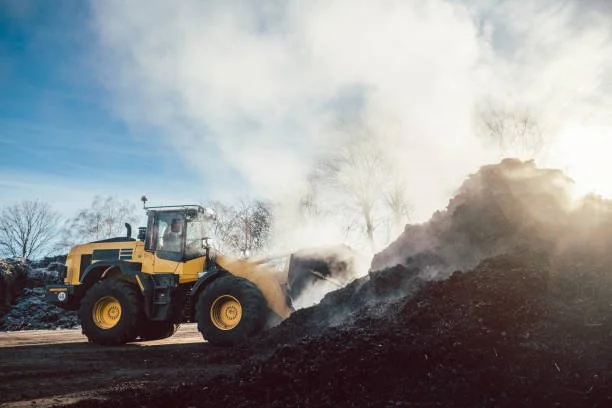
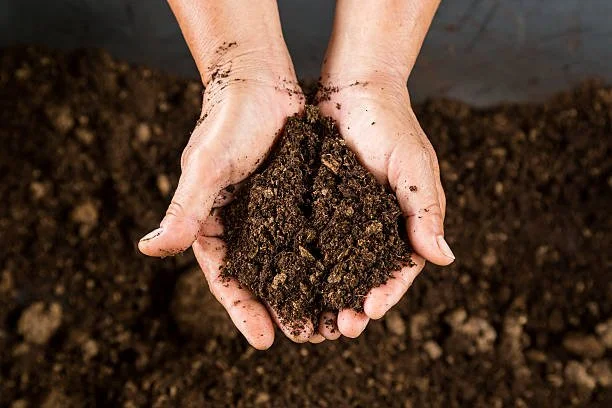
Composting is an eco-friendly process that involves the natural breakdown of organic waste into nutrient-rich soil, often referred to as compost. This process relies on the decomposition activities of microorganisms such as bacteria and fungi, which convert materials like food scraps, yard trimmings, and other biodegradable items into a substance that can enhance soil health and structure. By reintroducing essential nutrients back into the soil, compost can improve plant growth, reduce reliance on chemical fertilizers, and help retain soil moisture. Additionally, composting helps reduce landfill waste by diverting organic materials that would otherwise decompose anaerobically and produce methane, a potent greenhouse gas. This makes composting a valuable practice for sustainable waste management and environmental conservation.


Why should we compost?

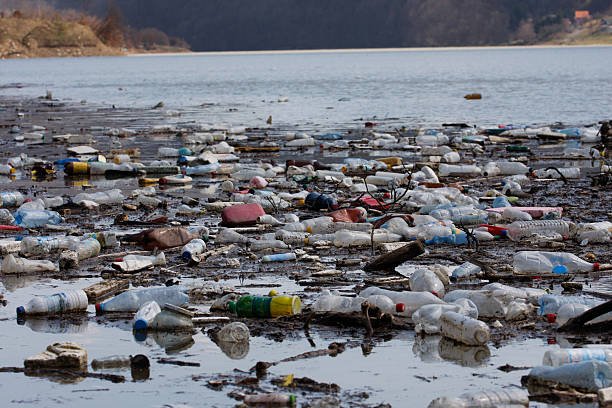
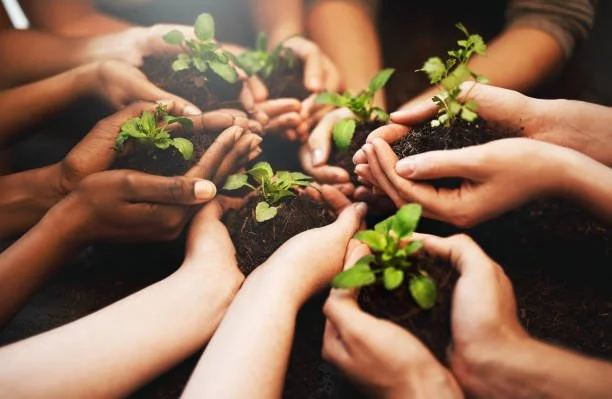
Composting offers a myriad of environmental and practical benefits, making it an essential practice for sustainable living. It helps reduce the amount of waste sent to landfills, where organic matter would decompose anaerobically, releasing methane, a potent greenhouse gas. By diverting this waste to compost bins, we cut down on methane emissions and lessen our carbon footprint. Composting transforms kitchen scraps and yard waste into valuable organic fertilizer, enriching soil with nutrients, improving soil structure, and increasing its water retention capacity. This leads to healthier plant growth and reduced need for chemical fertilizers, which are often harmful to the environment. Additionally, composting encourages a closer connection with the natural cycle of growth and decay, fostering environmental awareness and stewardship. Thus, composting not only benefits our gardens but also plays a crucial role in our efforts to combat climate change and promote ecological balance.


How can we compost ?
Composting at home is a straightforward process that can significantly reduce household waste and contribute to a healthier environment. To start, you'll need a designated area or a compost bin where you can layer organic waste. This includes green materials such as vegetable peels, fruit scraps, and coffee grounds, which provide nitrogen, and brown materials like dried leaves, twigs, and paper, which supply carbon. The key to effective composting is maintaining a balance between these green and brown materials to ensure a proper decomposition environment. Regularly turning the compost pile helps to aerate it, facilitating the activity of aerobic bacteria that break down the material. Keeping the pile moist but not overly wet is crucial. Over time, these materials decompose into a dark, crumbly substance called humus, rich in nutrients and perfect for enhancing garden soil. With patience and basic maintenance, composting can transform your organic waste into valuable fertilizer for your plants, promoting a more sustainable lifestyle.